
Best Artificial Tears for Contact Lens Wearers

Contact lens wearers face unique challenges when it comes to maintaining eye comfort throughout the day. The combination of reduced tear film stability and the physical presence of lenses can create a perfect storm for dry, irritated eyes. Finding the right artificial tears specifically formulated for contact lens compatibility is crucial for maintaining both comfort and eye health.
Whether you're a new contact lens wearer experiencing initial discomfort or a seasoned user dealing with end-of-day dryness, understanding which artificial tears work best with your lenses can dramatically improve your wearing experience. The wrong choice can lead to lens deposits, reduced vision clarity, or even damage to your contact lenses.
Understanding Contact Lens-Related Dry Eye
Contact lenses fundamentally alter the natural tear film dynamics of your eyes. The lens sits directly on the tear film, creating two separate tear layers: one between the lens and your eye, and another on the outer surface of the lens. This disruption can lead to increased tear evaporation and reduced tear distribution across the eye surface.
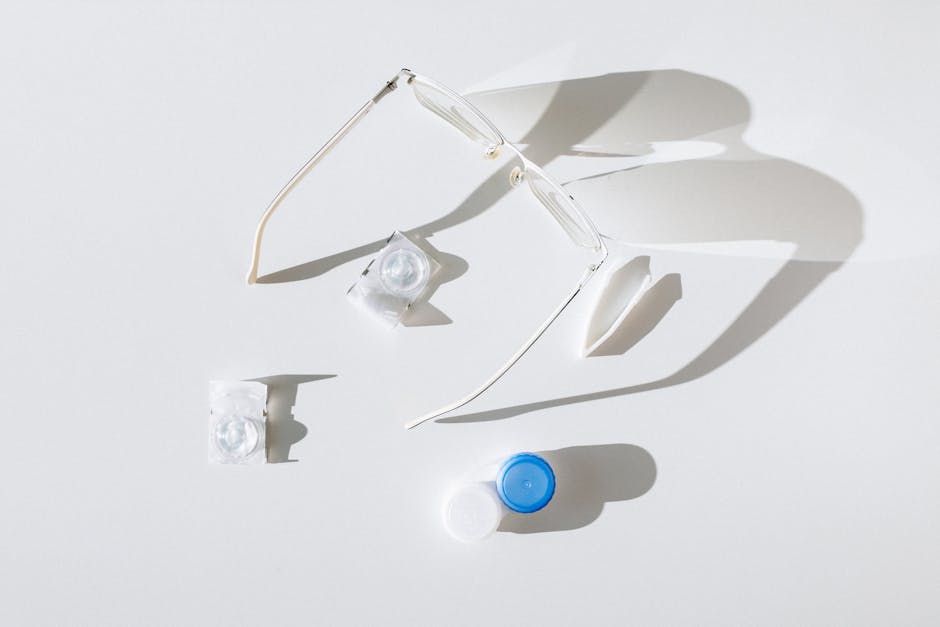
The National Center for Biotechnology Information reports that contact lens-induced dry eye affects up to 50% of contact lens wearers, making it one of the leading causes of contact lens discontinuation.
Several factors contribute to contact lens-related dryness:
- Reduced blink rate during concentrated activities like computer work
- Lens material and design affecting tear film stability
- Environmental factors such as air conditioning or wind
- Age-related changes in tear production
- Hormonal fluctuations affecting tear composition
Key Features to Look for in Contact Lens-Compatible Artificial Tears
Not all artificial tears are created equal, especially when it comes to contact lens compatibility. Several critical factors determine whether an artificial tear will enhance or hinder your contact lens experience.
Preservative-Free Formulations
Preservatives in artificial tears can accumulate on contact lenses over time, leading to irritation and lens damage. Preservative-free options eliminate this risk and are generally safer for frequent use. These formulations typically come in single-use vials or advanced multi-dose bottles with special dispensing systems.
Osmolarity and Electrolyte Balance
The best artificial tears for contact lens wearers match the natural osmolarity of healthy tears, typically around 280-300 mOsm/L. This balance prevents the lens from swelling or dehydrating, maintaining optimal fit and vision clarity.
Viscosity and Retention Time
The ideal viscosity provides adequate lubrication without causing vision blur or lens movement. Lower viscosity drops offer immediate relief with minimal visual disturbance, while higher viscosity formulations provide longer-lasting comfort but may temporarily affect vision clarity.
Top Categories of Artificial Tears for Contact Lens Wearers
Sodium Hyaluronate-Based Drops
Sodium hyaluronate is a naturally occurring substance in the eye that provides exceptional moisture retention. These drops form a protective cushion around contact lenses while maintaining excellent biocompatibility. The high water-binding capacity of hyaluronate makes it particularly effective for moderate to severe dry eye symptoms.

Benefits include:
- Extended comfort duration
- Excellent lens compatibility
- Natural tear film stabilization
- Reduced friction during blinking
Carboxymethylcellulose (CMC) Formulations
CMC-based artificial tears provide reliable lubrication with good lens compatibility. These formulations offer a balanced approach to moisture retention and vision clarity, making them suitable for daily contact lens wear. They're particularly effective for users experiencing mild to moderate dryness.
Polyethylene Glycol and Propylene Glycol Combinations
These dual-polymer systems provide both immediate and sustained relief. The combination works by addressing different aspects of dry eye: immediate lubrication and longer-term tear film stabilization. These formulations are often well-tolerated by contact lens wearers and provide consistent comfort throughout the day.
Proper Application Techniques for Maximum Benefit
The timing and method of artificial tear application can significantly impact their effectiveness when wearing contact lenses. Understanding the best practices ensures optimal comfort and lens performance.
Pre-Insertion Application
Applying artificial tears before inserting contact lenses can improve initial comfort and ease of insertion. Place one drop on each side of the lens before insertion, ensuring even distribution across the lens surface. This technique is particularly beneficial for individuals with naturally dry eyes or those wearing lenses for extended periods.
During-Wear Application
For mid-day dryness, apply artificial tears directly to the eye while wearing lenses. Blink several times to distribute the solution evenly. Avoid excessive application, as this can cause lens movement or temporary vision blur.
Post-Removal Care
Using artificial tears after removing contact lenses helps restore natural tear film balance and provides relief from any residual irritation. This practice is particularly important for users wearing lenses for 8+ hours daily.
Factors Affecting Artificial Tear Effectiveness
Several personal and environmental factors influence how well artificial tears work with your specific contact lens routine. Understanding these variables helps optimize your eye care regimen.
Lens Material Considerations
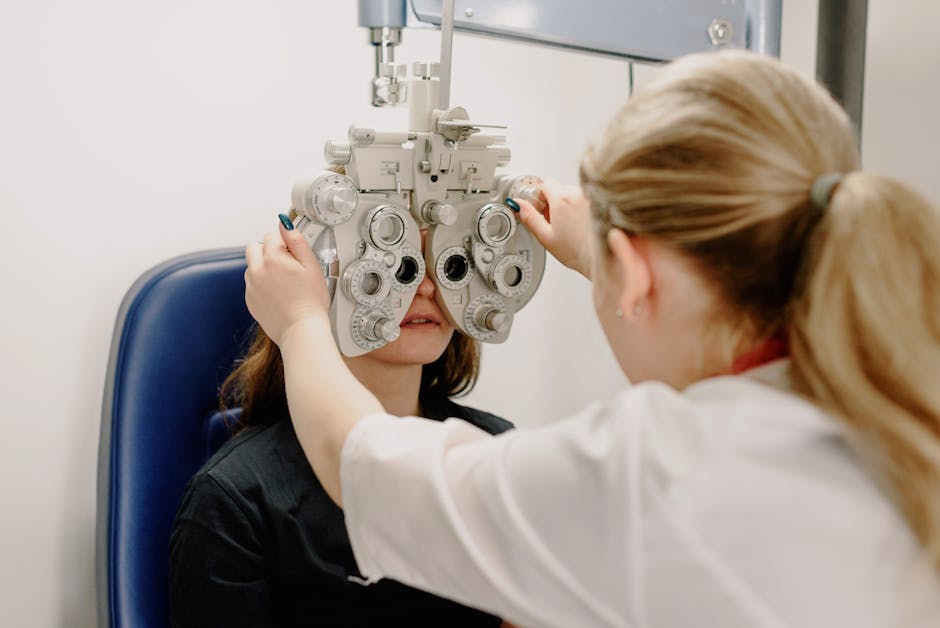
Different contact lens materials interact differently with artificial tear formulations. Silicone hydrogel lenses generally work well with most artificial tears due to their high oxygen permeability and moisture content. Traditional hydrogel lenses may be more sensitive to certain preservatives and require preservative-free options.
Daily vs. Extended Wear Patterns
Daily contact lens wearers often require less frequent artificial tear application compared to those wearing weekly or monthly lenses. Extended wear schedules may necessitate more frequent application and higher-viscosity formulations for sustained comfort.
Environmental Factors
Air conditioning, heating systems, wind, and low humidity environments accelerate tear evaporation. Contact lens wearers in these conditions benefit from more frequent artificial tear application and may require formulations with enhanced retention properties.
Common Mistakes to Avoid
Several common errors can reduce the effectiveness of artificial tears or potentially damage contact lenses. Awareness of these pitfalls helps ensure optimal results.
Overuse of artificial tears can dilute natural tear film components and potentially wash away beneficial proteins. Most experts recommend limiting application to 4-6 times per day unless specifically directed by an eye care professional.
Using artificial tears with vasoconstrictors (redness reducers) while wearing contact lenses can cause rebound redness and may affect lens fit. These products are generally not recommended for regular use with contact lenses.
Sharing artificial tear bottles between multiple users increases infection risk. Always use personal bottles and replace them according to manufacturer guidelines, typically every 3-6 months after opening.
When to Consult an Eye Care Professional
While artificial tears provide relief for many contact lens wearers, certain symptoms warrant professional evaluation. Persistent discomfort despite proper artificial tear use may indicate underlying issues requiring medical attention.

According to the American Optometric Association, professional consultation is recommended when experiencing:
- Severe or worsening eye pain
- Significant vision changes
- Signs of eye infection such as discharge or redness
- Inability to wear contact lenses comfortably despite artificial tear use
- Symptoms that interfere with daily activities
Optimizing Your Contact Lens Experience
Beyond artificial tears, several complementary strategies can enhance contact lens comfort and reduce dependence on supplemental lubrication. A comprehensive approach addresses multiple factors contributing to dry eye symptoms.
Hydration and Nutrition
Adequate hydration supports natural tear production and quality. The Health Canada dietary guidelines recommend 2.7 liters of fluid daily for women and 3.7 liters for men. Omega-3 fatty acids from fish oil or flaxseed may also support healthy tear film composition.
Environmental Modifications
Using humidifiers in dry environments, taking regular breaks during computer work, and wearing wraparound sunglasses in windy conditions can reduce tear evaporation and extend contact lens comfort.
Proper Lens Care
Maintaining clean lenses through proper cleaning and replacement schedules reduces protein deposits that can contribute to discomfort. Consider switching to daily disposable lenses if persistent issues occur with longer-wearing options.
Finding the best artificial tears for contact lens wear requires understanding your individual needs, lens type, and lifestyle factors. Quality artificial tears specifically designed for contact lens compatibility can dramatically improve wearing comfort and allow for extended, comfortable lens use throughout the day.
For Canadian contact lens wearers seeking reliable, optometrist-approved eye care solutions, EYECART offers a comprehensive selection of artificial tears and eye care products with fast shipping across Canada. Their curated collection ensures you have access to the highest quality products recommended by eye care professionals, making it easier to maintain optimal eye health and comfort with your contact lenses.