
Eye care for contact lens users: essential tips for healthy vision in 2026

Contact lenses have revolutionized vision correction, offering freedom and convenience that glasses simply can't match. However, proper eye care becomes even more critical when you wear contacts daily. For Canadian contact lens users, understanding how to maintain optimal eye health while enjoying the benefits of contact lenses is essential for long-term vision wellness.
Understanding the Unique Challenges of Contact Lens Wear
Contact lenses sit directly on your eye's tear film, creating a unique environment that requires special attention. Unlike glasses, which rest safely away from your eyes, contacts interact with your ocular surface throughout the day, potentially affecting tear distribution, oxygen flow, and bacterial balance.
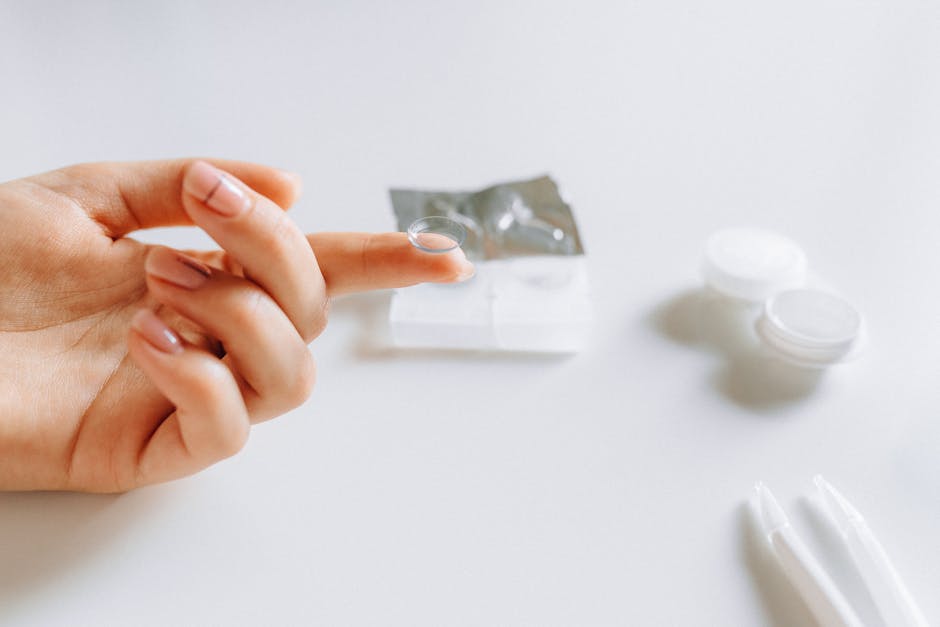
The most common issues contact lens wearers face include dry eyes, protein buildup, bacterial infections, and reduced oxygen supply to the cornea. These challenges are particularly relevant in Canada's varying climate conditions, where cold winters and heated indoor environments can exacerbate dry eye symptoms.
Key risk factors for contact lens wearers include:
- Extended wear beyond recommended hours
- Poor hygiene practices
- Environmental factors like air conditioning or wind
- Underlying dry eye conditions
- Improper lens storage and cleaning
Establishing a Proper Daily Eye Care Routine
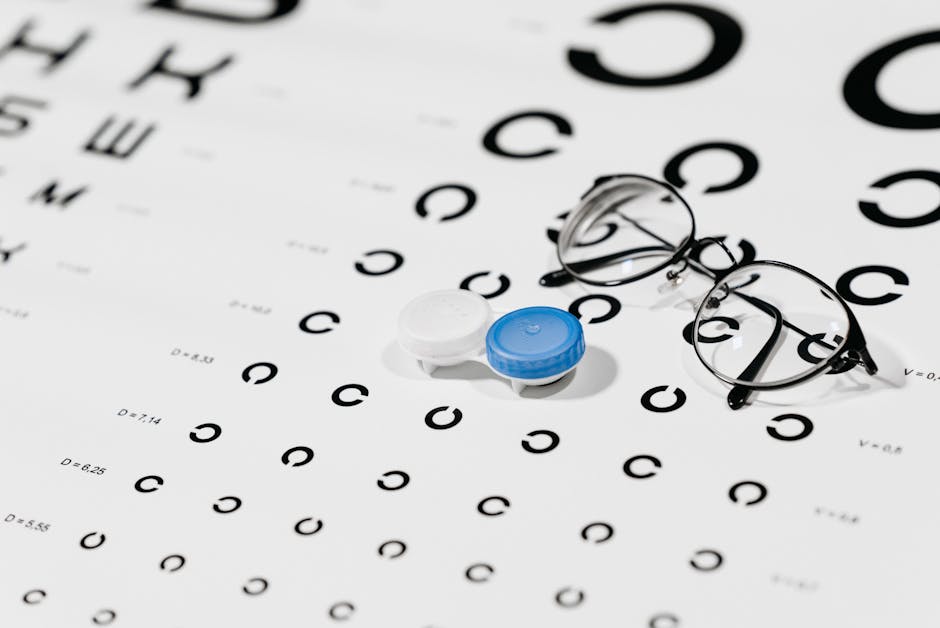
A consistent daily routine forms the foundation of healthy contact lens wear. Your morning preparation should begin with thoroughly washing and drying your hands before handling lenses. Always insert your lenses before applying makeup to avoid contamination.
Morning routine essentials:
- Wash hands with soap and dry with a lint-free towel
- Check lenses for tears or debris before insertion
- Use rewetting drops if eyes feel dry upon waking
- Apply makeup after lens insertion
Throughout the day, be mindful of your eyes' comfort level. If you experience burning, itching, or excessive tearing, remove your lenses immediately. These symptoms often indicate that your eyes need a break or that there's an issue with the lens itself.
Evening care is equally important. Remove your lenses before removing makeup to prevent particles from getting trapped under the lens. Clean and store your lenses according to your eye care professional's recommendations, and give your eyes time to breathe overnight.
Selecting the Right Eye Drops and Lubricants
Not all eye drops are suitable for contact lens wearers. Many over-the-counter drops contain preservatives that can be absorbed by contact lenses, potentially causing irritation or damage to both the lens and your eye.

Look for drops specifically labeled as "contact lens compatible" or "preservative-free." These formulations are designed to work safely with contact lenses and provide the moisture your eyes need without compromising lens integrity. If you're looking for the best eye drops for dry eyes Canada, consult with your optometrist to ensure suitability with contact lens use.
Rewetting drops serve multiple purposes for contact lens wearers. They help maintain lens hydration, flush away debris, and provide relief from dryness. According to the Centers for Disease Control and Prevention, proper use of contact lens-compatible drops can significantly reduce the risk of eye infections and discomfort.
For those with chronic dry eyes, specialized dry eye treatments may be necessary. These might include prescription drops, omega-3 supplements, or advanced lubricating formulations designed for severe dry eye conditions.
Hygiene Best Practices and Lens Care
Proper hygiene cannot be overstated when it comes to contact lens safety. Poor hygiene habits are the leading cause of serious eye infections among contact lens wearers, some of which can result in permanent vision loss.

Essential hygiene practices include:
- Always wash hands thoroughly before handling lenses
- Use only recommended cleaning solutions
- Replace lens cases every three months
- Never use tap water, saliva, or expired solutions
- Replace lenses according to the prescribed schedule
Lens storage is equally critical. Your lens case should be rinsed with fresh solution daily and left to air dry while you wear your lenses. Never top off old solution with new solution, as this can lead to bacterial contamination.
The American Optometric Association emphasizes that proper lens care routines can prevent up to 85% of contact lens-related complications.
Remember: cutting corners on hygiene might save time in the short term, but the potential consequences for your vision are far too serious to risk.
Recognizing Warning Signs and When to Seek Help
Understanding when to remove your contacts and seek professional help is crucial for preventing serious complications. Some symptoms require immediate attention, while others may indicate the need for routine adjustments to your lens care routine.
Remove lenses immediately if you experience:
- Severe pain or discomfort
- Sudden vision changes
- Excessive redness or swelling
- Discharge from the eye
- Sensation of something stuck in your eye
- Unusual sensitivity to light
Less urgent but still important symptoms include mild dryness that doesn't improve with rewetting drops, gradual decrease in wearing comfort, or frequent lens displacement. These issues may indicate that your current lenses aren't the best fit for your lifestyle or that your eyes' needs have changed.
According to research published in the National Center for Biotechnology Information, early intervention when problems arise can prevent most serious complications and help maintain long-term contact lens wearing success.
Advanced Care Strategies for Long-Term Eye Health
Beyond basic hygiene and daily care, several advanced strategies can help ensure your eyes remain healthy throughout years of contact lens wear. These approaches focus on supporting your eyes' natural functions and addressing the unique challenges that long-term contact lens use can present.
Nutritional support plays a crucial role in eye health. Omega-3 fatty acids, particularly those found in fish oil supplements, can help improve tear quality and reduce dry eye symptoms. Vitamins A, C, and E, along with zinc and lutein, support overall eye health and may help your eyes better tolerate contact lens wear. For a comprehensive guide to optimal eye health, consider exploring best eye vitamins formulation.
Environmental modifications can also make a significant difference. Using a humidifier in dry environments, taking regular breaks from screens, and protecting your eyes from wind and dust can all help reduce contact lens-related discomfort.
Consider incorporating specialized eyelid hygiene products into your routine. Eyelid wipes designed for contact lens wearers can help remove makeup, oils, and debris that might otherwise transfer to your lenses, improving both comfort and lens longevity.
Regular professional eye exams remain essential, even if you're not experiencing problems. Your eye care professional can detect early signs of complications, assess whether your current lenses are still appropriate for your needs, and recommend adjustments to your care routine as needed.
Conclusion
Successful contact lens wear requires commitment to proper eye care practices, but the rewards in terms of vision quality and lifestyle convenience are substantial. By establishing good hygiene habits, using appropriate eye care products, and staying alert to warning signs, you can enjoy the benefits of contact lenses while maintaining optimal eye health.
Remember that eye care is not one-size-fits-all, and what works for one person may not be ideal for another. Work closely with your eye care professional to develop a personalized routine that addresses your specific needs and lifestyle factors. With proper care and attention, contact lenses can provide years of clear, comfortable vision while supporting your overall eye health goals.
Investing in quality, optometrist-approved online eye care products Canada specifically designed for contact lens wearers is an investment in your long-term vision health. The small daily effort required for proper eye care pays dividends in comfort, safety, and sustained contact lens wearing success.