
Eye Vitamins for Macular Degeneration Canada

Macular degeneration affects millions of Canadians, gradually stealing central vision and making everyday tasks like reading and driving increasingly difficult. While there's no cure for this progressive eye condition, emerging research shows that specific eye vitamins and nutritional supplements can play a crucial role in slowing its progression and supporting overall retinal health. For Canadians dealing with age-related macular degeneration (AMD), understanding which vitamins are most effective and where to find quality supplements has become essential for maintaining vision and quality of life.
The good news is that targeted nutritional intervention, backed by landmark clinical studies, offers hope for those at risk or already diagnosed with macular degeneration. From antioxidant-rich formulations to omega-3 fatty acids, the right combination of eye vitamins can make a meaningful difference in preserving the precious gift of sight.
Understanding Macular Degeneration and Its Impact in Canada
Macular degeneration is the leading cause of severe vision loss in Canadians over age 50, affecting approximately 1.4 million people nationwide. The condition occurs when the macula, the small central area of the retina responsible for sharp, detailed vision, begins to deteriorate. This deterioration can happen in two forms: dry AMD, which accounts for about 90% of cases, and wet AMD, the more severe but less common variant.

The prevalence of macular degeneration increases dramatically with age, with risk factors including genetics, smoking, high blood pressure, and prolonged UV exposure. In Canada's aging population, these statistics become even more concerning, as baby boomers enter their highest-risk years.
Early symptoms often include blurred central vision, difficulty recognizing faces, and the appearance of dark or empty spots in central vision. Unfortunately, by the time symptoms become noticeable, significant retinal damage may have already occurred, making preventive measures and early intervention crucial.
The Science Behind Eye Vitamins for Macular Degeneration
The relationship between nutrition and eye health gained scientific credibility through the groundbreaking Age-Related Eye Disease Study (AREDS) conducted by the National Eye Institute. This landmark research demonstrated that specific combinations of vitamins and minerals could reduce the risk of advanced AMD progression by up to 25%.
The original AREDS formula included vitamin C, vitamin E, beta-carotene, zinc, and copper. However, the follow-up AREDS2 study refined these recommendations, replacing beta-carotene with lutein and zeaxanthin while adding omega-3 fatty acids to the investigation. These modifications were particularly important for smokers, as beta-carotene was associated with increased lung cancer risk in this population.
Key Nutrients in Eye Vitamin Formulations
Modern eye vitamin supplements for macular degeneration typically contain several crucial components:
- Lutein and Zeaxanthin: These carotenoids naturally accumulate in the macula, acting as internal sunglasses that filter harmful blue light and neutralize oxidative damage.
- Vitamin C: A powerful antioxidant that supports blood vessel health in the retina and helps regenerate other antioxidants like vitamin E.
- Vitamin E: Protects cell membranes from oxidative stress and works synergistically with other antioxidants.
- Zinc: Essential for retinal function and vitamin A metabolism, zinc deficiency is linked to increased AMD risk.
- Copper: Added to prevent zinc-induced copper deficiency, maintaining proper mineral balance.
- Omega-3 Fatty Acids: DHA and EPA support retinal cell structure and may reduce inflammation associated with AMD progression.
Choosing the Right Eye Vitamins in Canada
Canadian consumers have access to numerous eye vitamin formulations, but not all supplements are created equal. When selecting eye vitamins for macular degeneration, several factors deserve careful consideration.

AREDS2-Based Formulations
Look for supplements that follow the AREDS2 research guidelines, containing appropriate dosages of scientifically proven ingredients. The recommended daily amounts include 10mg lutein, 2mg zeaxanthin, 500mg vitamin C, 400 IU vitamin E, 80mg zinc oxide, and 2mg cupric oxide.
Third-Party Testing and Quality Assurance
In Canada, dietary supplements are regulated by Health Canada under the Natural Health Products Regulations. However, additional third-party testing provides extra assurance of purity, potency, and safety. Look for products that display certification from organizations like NSF International or USP (United States Pharmacopeia).
Bioavailability and Absorption
Some eye vitamin formulations include ingredients designed to enhance absorption. For example, certain brands use specific forms of nutrients that are more readily absorbed by the body, or they include complementary compounds that facilitate uptake.
Professional Recommendations and Canadian Healthcare Integration
Canadian ophthalmologists and optometrists increasingly recommend AREDS2-based supplements for patients at moderate to high risk of AMD progression. The Canadian healthcare system recognizes the importance of nutritional intervention in AMD management, though coverage varies by province and insurance plan.
Before starting any eye vitamin regimen, consultation with an eye care professional is essential. They can assess individual risk factors, evaluate current eye health status, and recommend appropriate supplementation based on specific needs and medical history.
Integration with Conventional Treatment
Eye vitamins complement but don't replace conventional AMD treatments. For wet AMD, anti-VEGF injections remain the gold standard, while eye vitamins primarily benefit those with dry AMD or at risk of progression. Some patients may benefit from both approaches under professional guidance.
Where to Find Quality Eye Vitamins in Canada
Canadian consumers can access eye vitamins through various channels, each with distinct advantages. Traditional pharmacies offer the benefit of pharmacist consultation, while online retailers often provide broader selection and competitive pricing.

EYECART specializes in optometrist-approved eye care products for the Canadian market, offering carefully selected eye vitamin formulations with fast shipping across the country. Their focus on professional-grade products ensures that customers receive supplements that meet stringent quality standards and follow evidence-based formulations.
Factors to Consider When Shopping
- Product authenticity: Ensure you're purchasing from reputable sources to avoid counterfeit supplements
- Expiration dates: Check dates carefully, as expired vitamins may lose potency
- Storage requirements: Some formulations require refrigeration or specific storage conditions
- Cost considerations: Compare price per serving rather than total bottle price
- Shipping and availability: Consider delivery times and stock reliability, especially for ongoing supplementation
Lifestyle Factors That Enhance Eye Vitamin Effectiveness
While eye vitamins play an important role in AMD management, they work best as part of a comprehensive approach to eye health. Several lifestyle modifications can enhance their effectiveness and provide additional protection against macular degeneration progression.
Dietary Considerations
A diet rich in leafy greens, colorful fruits and vegetables, and omega-3 fatty acids provides natural sources of eye-healthy nutrients. Foods like spinach, kale, salmon, and eggs contain high concentrations of lutein, zeaxanthin, and other beneficial compounds. While supplements ensure consistent intake of specific nutrients, a balanced diet provides additional phytonutrients and compounds that may work synergistically. For more information on beneficial foods, explore our article on foods for eye health improvement.
UV Protection and Blue Light Management
Protecting eyes from harmful UV radiation and excessive blue light exposure supports the protective effects of eye vitamins. Quality sunglasses with 100% UV protection and computer glasses with blue light filtering can reduce oxidative stress on the retina.
Monitoring Progress and Long-Term Management
Eye vitamin supplementation for macular degeneration is typically a long-term commitment requiring regular monitoring and potential adjustments. Canadian eye care professionals often recommend baseline testing followed by periodic evaluations to track AMD progression and supplement effectiveness.
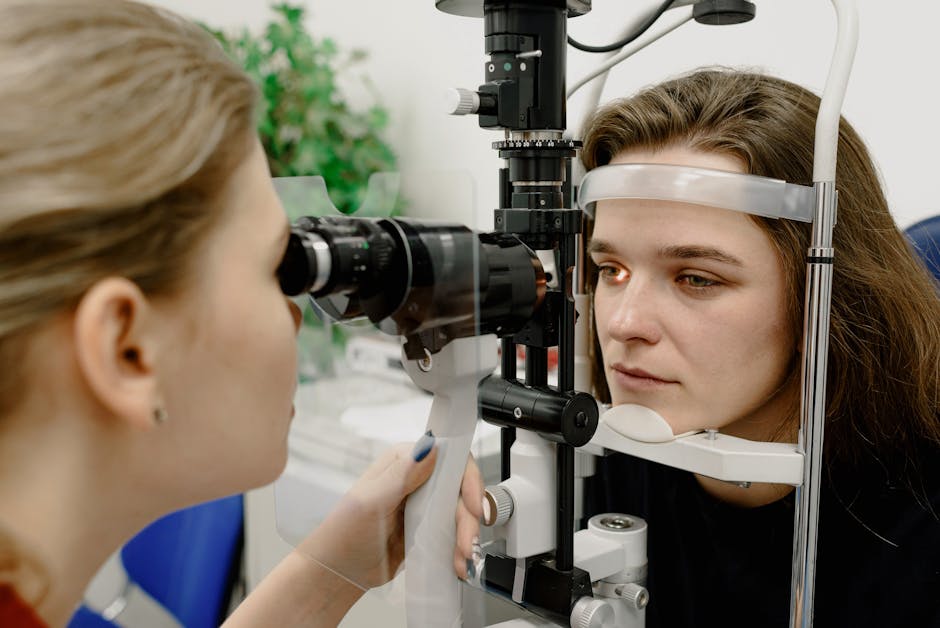
Advanced imaging techniques like optical coherence tomography (OCT) allow precise monitoring of retinal changes, while specialized vision tests can detect subtle changes in central vision. These tools help determine whether current supplementation is adequate or if modifications are needed.
Potential Side Effects and Considerations
Most people tolerate AREDS2-based eye vitamins well, but some may experience mild gastrointestinal upset, especially when starting supplementation. Taking vitamins with food often minimizes these effects. Individuals with specific medical conditions or those taking certain medications should discuss potential interactions with their healthcare providers.
The high zinc content in some formulations may interfere with copper absorption, which is why quality supplements include copper to maintain proper mineral balance.
Future Developments in Eye Nutrition Research
Research into nutritional interventions for macular degeneration continues evolving, with scientists investigating new compounds and delivery methods. Emerging areas of interest include astaxanthin, resveratrol, and other potent antioxidants that may offer additional retinal protection.
Canadian researchers are contributing to this growing body of knowledge, participating in international studies and conducting domestic research on AMD prevention and treatment. These ongoing efforts may lead to refined recommendations and more effective formulations in coming years.
Conclusion: Taking Action for Your Vision
Eye vitamins for macular degeneration represent a scientifically-backed approach to preserving vision and slowing AMD progression. For Canadians at risk or already diagnosed with this condition, incorporating quality eye vitamins into a comprehensive eye care routine offers genuine hope for maintaining visual function and quality of life.
The key lies in choosing evidence-based formulations, working with eye care professionals, and maintaining realistic expectations about supplementation benefits. While eye vitamins cannot cure macular degeneration, they provide valuable protection that can make a meaningful difference in long-term visual outcomes.
Don't wait for symptoms to worsen before taking action. Explore high-quality, optometrist-approved eye vitamins available through trusted Canadian retailers like EYECART, where fast shipping ensures you can start protecting your vision without delay. Your future self will thank you for the proactive steps you take today to preserve this precious sense.