
Impact of screen time on eye health

In 2026, Canadians spend an average of 12-14 hours daily looking at screens, from smartphones and computers to tablets and televisions. This dramatic increase in digital device usage has created unprecedented challenges for eye health, with optometrists across Canada reporting a surge in vision-related complaints. Understanding how prolonged screen exposure affects our eyes is crucial for maintaining optimal vision and preventing long-term complications.
The relationship between screen time and eye health extends far beyond simple eye strain. Modern digital devices emit blue light, require constant focus adjustments, and often reduce our natural blink rate, creating a perfect storm for various eye health issues. As we navigate an increasingly digital world, protecting our vision has become more important than ever.
Understanding Digital Eye Strain
Digital Eye Strain (DES), also known as Computer Vision Syndrome, affects millions of Canadians who spend extended periods viewing digital screens. This condition encompasses a range of symptoms that occur during or after prolonged screen use, significantly impacting daily comfort and productivity.

The primary symptoms of digital eye strain include:
- Eye fatigue and tiredness
- Blurred or double vision
- Headaches and neck pain
- Dry, irritated eyes
- Difficulty focusing
- Increased light sensitivity
These symptoms occur because digital screens force our eyes to work harder than when viewing printed materials. The pixelated nature of digital displays requires continuous micro-adjustments in focus, while the contrast between bright screens and surrounding environments creates additional strain. According to the American Optometric Association, up to 90% of people who work at computers for more than three hours daily experience some form of digital eye strain.
The Science Behind Blue Light Exposure
Blue light, a high-energy visible light with wavelengths between 380-500 nanometers, is naturally present in sunlight but is also emitted by digital devices. While some blue light exposure is beneficial for regulating circadian rhythms and maintaining alertness, excessive exposure from screens can pose potential risks to eye health.

Research indicates that prolonged blue light exposure may contribute to:
- Retinal cell damage over time
- Increased risk of macular degeneration
- Disrupted sleep patterns
- Enhanced digital eye strain symptoms
The concern isn't just the amount of blue light emitted by devices, but the proximity and duration of exposure. Unlike the sun, which we don't stare at directly, screens are positioned close to our eyes for extended periods, creating cumulative exposure that may exceed safe levels. Canadian optometrists increasingly recommend blue light filtering solutions as a preventive measure for their patients.
How Screen Time Affects Tear Production and Dry Eyes
One of the most immediate impacts of increased screen time is the development of dry eye syndrome. When we focus intently on screens, our natural blink rate decreases by up to 60%, significantly reducing tear distribution across the eye surface. This reduction in blinking leads to faster tear evaporation and inadequate lubrication.

The tear film consists of three layers:
- Mucin layer: Helps tears stick to the eye surface
- Aqueous layer: Provides moisture and nutrients
- Lipid layer: Prevents rapid evaporation
Screen use disrupts this delicate balance, particularly affecting the lipid layer. Many digital devices also emit heat, which can accelerate tear evaporation. Additionally, air conditioning and heating systems commonly found in offices and homes can further dry the air, compounding the problem.
Dry eyes from excessive screen time can lead to:
- Burning or stinging sensations
- Gritty feeling in the eyes
- Excessive tearing as a reflex response
- Mucus discharge
- Light sensitivity
- Difficulty wearing contact lenses
Long-term Vision Consequences
While immediate symptoms of digital eye strain are uncomfortable, the long-term implications of excessive screen time on eye health are increasingly concerning. Emerging research suggests that prolonged exposure to digital devices may accelerate certain age-related vision problems and contribute to the development of serious eye conditions.
Myopia (Nearsightedness) Progression: Extended near-work activities, including screen use, have been linked to increased rates of myopia, particularly in children and young adults. Studies published in the National Center for Biotechnology Information indicate that excessive screen time may contribute to axial elongation of the eye, leading to progressive myopia.
Potential Retinal Damage: Chronic exposure to blue light may contribute to photochemical damage in retinal cells. While the human eye has natural defense mechanisms, prolonged exposure may overwhelm these protective systems, potentially increasing the risk of age-related macular degeneration later in life.
Accommodative Dysfunction: Constant focusing on screens at fixed distances can lead to problems with accommodation, the eye's ability to change focus between objects at different distances. This can result in difficulty switching focus from screen to distance viewing and may contribute to progressive vision problems.
Evidence-Based Prevention and Management Strategies
Protecting eye health in our screen-dominated world requires a comprehensive approach combining behavioral modifications, environmental adjustments, and targeted eye care products. Canadian optometrists recommend several evidence-based strategies to minimize the negative impacts of screen time.
The 20-20-20 Rule: Every 20 minutes, look at something 20 feet away for at least 20 seconds. This simple practice helps relax the focusing muscles and encourages natural blinking, reducing strain and dryness.
Proper Screen Positioning:
- Position screens 20-26 inches from your eyes
- Ensure the top of the screen is at or below eye level
- Tilt the screen slightly backward (10-20 degrees)
- Minimize glare with proper lighting and screen filters
Environmental Modifications:
- Use humidifiers to maintain optimal air moisture
- Adjust screen brightness to match surrounding lighting
- Implement blue light filtering through software or screen protectors
- Ensure adequate ambient lighting to reduce contrast
Targeted Eye Care Solutions: Regular use of preservative-free artificial tears can help maintain proper eye lubrication. Specialized dry eye kits containing omega-3 supplements, eyelid wipes, and therapeutic eye drops provide comprehensive care for screen-related eye issues. For further protection, consider integrating supplements like Lutein and Zeaxanthin Benefits for Eyes into your routine to support macular health. You can easily find these and other online eye care products Canada that are recommended by professionals. For those dealing with persistent dry eyes, finding the best eye drops for dry eyes Canada can make a significant difference. You might also want to explore best eye vitamins formulation to ensure your eyes receive comprehensive nutritional support. Health Canada emphasizes the importance of using optometrist-recommended products for maintaining eye health.
Professional Eye Care and Regular Monitoring
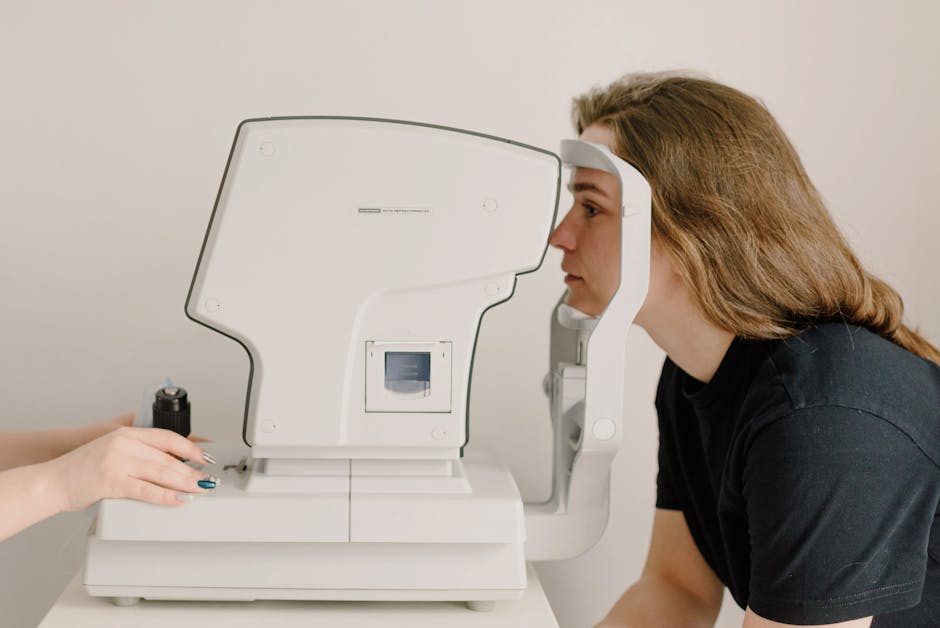
While self-care measures are essential, professional eye care remains crucial for maintaining optimal vision health in the digital age. Regular comprehensive eye exams can detect early signs of screen-related vision problems and allow for timely intervention.
Canadian optometrists recommend annual eye exams for adults, with more frequent visits for individuals experiencing persistent symptoms or those at higher risk for eye conditions. During these examinations, eye care professionals can:
- Assess tear film quality and quantity
- Evaluate focusing ability and eye coordination
- Screen for early signs of retinal damage
- Recommend personalized treatment plans
- Prescribe specialized computer glasses if needed
Professional-grade treatments such as prescription eye drops, punctal plugs for severe dry eyes, or specialized contact lenses may be necessary for individuals with advanced screen-related eye problems. Early intervention can prevent progression and maintain comfortable vision for years to come.
Conclusion
The impact of screen time on eye health represents one of the most significant vision challenges of our time. As Canadians continue to rely heavily on digital devices for work, education, and entertainment, understanding and addressing the associated eye health risks becomes increasingly critical. From immediate symptoms like digital eye strain and dry eyes to potential long-term consequences including accelerated myopia and retinal damage, excessive screen exposure poses real threats to our vision.
However, with proper awareness, preventive measures, and access to quality eye care products, these risks can be effectively managed. The combination of behavioral modifications, environmental adjustments, and targeted eye care solutions provides a comprehensive approach to protecting vision in the digital age. By implementing evidence-based strategies and maintaining regular professional eye care, Canadians can enjoy the benefits of technology while preserving their precious sight for years to come.
Remember that eye health is an investment in your overall quality of life. Taking proactive steps today to protect your vision from screen-related damage will pay dividends in maintaining clear, comfortable sight throughout your lifetime.