
Pediatric eye care tips for parents

As a parent, ensuring your child's eye health is crucial for their overall development, learning, and quality of life. Children's vision develops rapidly during their early years, making proper eye care essential from infancy through adolescence. With the increasing prevalence of digital device usage and environmental factors affecting eye health, Canadian parents need to be well-informed about protecting and maintaining their children's vision.
Early detection and prevention of eye problems can make a significant difference in your child's visual development. Many eye conditions, when caught early, can be effectively treated or managed, preventing long-term vision issues that could impact academic performance and daily activities.
Understanding Normal Vision Development in Children
Children's vision develops gradually from birth, reaching full maturity around age 8. Understanding this developmental process helps parents recognize when something might be amiss. Newborns can only see objects clearly at about 8-12 inches away, which is perfect for bonding during feeding and cuddling.
By 3-4 months, babies should be able to follow moving objects with their eyes and begin reaching for things they see. Around 6 months, eye movement control improves significantly, and depth perception starts developing. Between ages 2-3, children should have developed enough visual skills to walk confidently, recognize familiar objects, and begin developing hand-eye coordination for activities like drawing.
Visual acuity typically reaches adult levels by age 4-5, though fine-tuning continues until age 8. During these critical years, any disruption to normal vision development can have lasting effects, making regular monitoring essential.
Recognizing Warning Signs and Symptoms
Parents should watch for several warning signs that may indicate vision problems in their children. Behavioral indicators include frequent eye rubbing, excessive blinking, covering one eye while reading or watching television, and tilting the head to one side when looking at objects.

Physical symptoms to monitor include red, watery, or crusty eyes, sensitivity to light, and pupils that appear white or cloudy instead of black. Academic and developmental red flags include difficulty reading age-appropriate material, losing place while reading, avoiding close-up activities like drawing or puzzles, and poor hand-eye coordination.
Complaints from your child about headaches, especially after reading or screen time, double vision, or difficulty seeing the board at school should prompt immediate attention. Some children may not verbalize vision problems, so observing their behavior during various activities is crucial.
According to the American Academy of Ophthalmology, many vision problems in children can be successfully treated if detected early, but may become irreversible if left untreated beyond certain ages.
Essential Daily Eye Care Practices
Establishing good daily eye care habits helps protect your child's vision and promotes overall eye health. Proper hygiene is fundamental—teach children to wash their hands frequently and avoid touching or rubbing their eyes, which can introduce bacteria and cause infections.
When cleaning around your child's eyes, use optometrist-recommended eyelid wipes or gentle, preservative-free cleansers. This is especially important for children prone to allergies or those who spend time in dusty environments. For specific guidance on eye hygiene, refer to information on Eyelid Hygiene for Blepharitis.
UV protection is crucial, even for young children. Ensure your child wears quality sunglasses with 100% UV protection when outdoors, as cumulative UV exposure can damage developing eyes. Wide-brimmed hats provide additional protection, especially during peak sun hours.
For children using eye drops prescribed for conditions like dry eyes or allergies, proper application technique is essential. Help younger children by having them lie down or tilt their head back, pull down the lower eyelid gently, and apply drops to the inner corner of the eye, allowing them to naturally distribute across the eye surface.
Managing Screen Time and Digital Eye Health
Digital device usage has become inevitable in children's daily lives, making digital eye health a primary concern for modern parents. Extended screen time can lead to digital eye strain, characterized by tired, dry, or irritated eyes, blurred vision, and headaches.
Implement the 20-20-20 rule: every 20 minutes, encourage your child to look at something 20 feet away for at least 20 seconds. This simple practice helps relax the focusing muscles and reduces eye strain significantly.
Proper screen positioning is crucial—screens should be positioned slightly below eye level and at arm's length distance. Ensure adequate ambient lighting to reduce contrast between the screen and surrounding environment, which can strain developing eyes.
Consider blue light filtering options, though research on their necessity remains mixed. More importantly, establish screen-free times, especially before bedtime, as blue light exposure can interfere with sleep patterns, indirectly affecting overall eye health.
The Government of Canada's Public Health Agency recommends limiting screen time for children aged 2-5 to one hour per day of high-quality programming, with co-viewing when possible.
Nutrition and Lifestyle Factors for Healthy Eyes
Proper nutrition plays a vital role in supporting healthy vision development. Key nutrients for eye health include vitamin A, found in carrots, sweet potatoes, and leafy greens; omega-3 fatty acids from fish, walnuts, and flaxseeds; and antioxidants like lutein and zeaxanthin found in colorful fruits and vegetables.
Encourage a diet rich in a variety of colorful fruits and vegetables. Berries, citrus fruits, and dark leafy greens provide essential vitamins and antioxidants that support retinal health and may reduce the risk of developing certain eye conditions later in life.
Adequate hydration is often overlooked but essential for maintaining healthy tear production and preventing dry eyes, especially important for children who spend considerable time in air-conditioned environments or engage in outdoor activities.
For children with specific nutritional gaps or those at higher risk for eye problems, optometrist-recommended eye vitamins formulated for children can provide additional support. For a comprehensive overview of supplements, read our guide to the best eye vitamins formulation. These supplements should complement, not replace, a balanced diet.
Encourage outdoor activities, as natural light exposure supports healthy eye development and may help reduce the risk of myopia development. Studies suggest that children who spend more time outdoors have lower rates of nearsightedness.
When to Schedule Professional Eye Exams
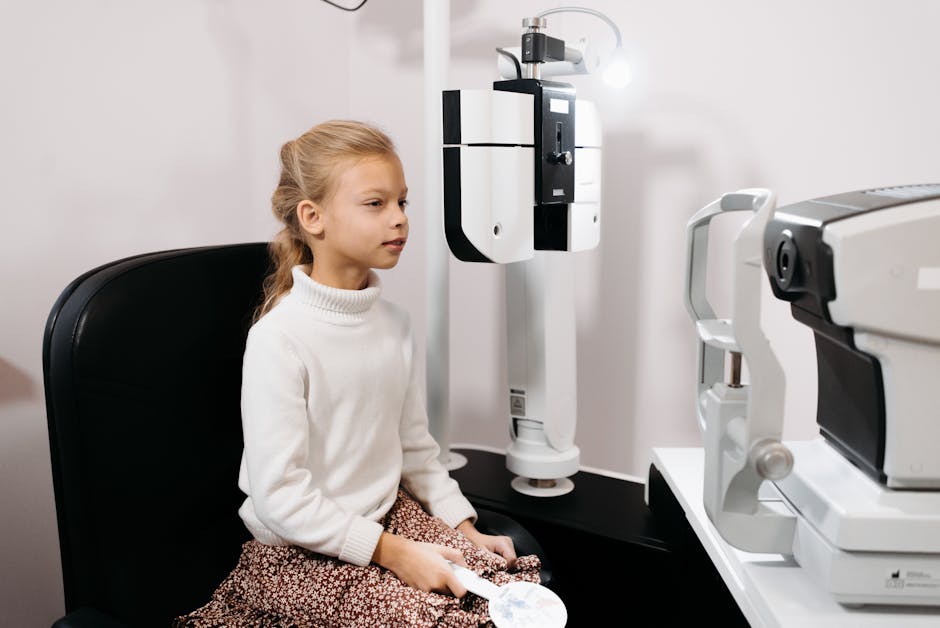
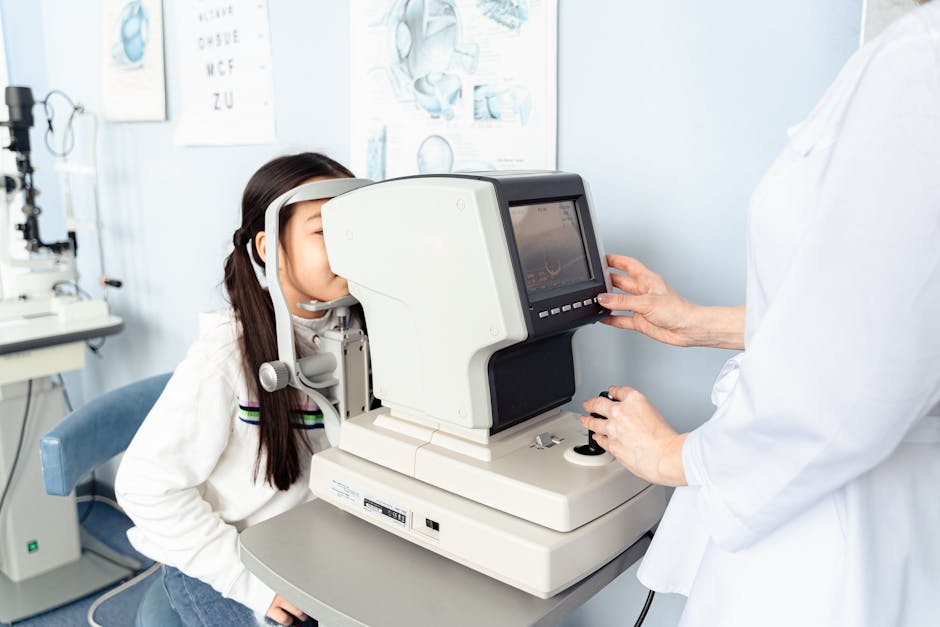
Regular professional eye examinations are essential for maintaining your child's eye health, even if no problems are apparent. The recommended schedule varies by age and risk factors, but general guidelines provide a helpful framework.
Infants and toddlers should have their first comprehensive eye exam between 6-12 months of age. This early screening can detect congenital conditions and ensure normal development is occurring.
Preschoolers should have another comprehensive exam between ages 3-5, before starting school. This timing allows for detection and treatment of conditions that could interfere with learning.
School-age children should have eye exams every 1-2 years, or more frequently if they wear corrective lenses or have known risk factors. Children with family histories of eye problems, premature birth, or certain medical conditions may require more frequent monitoring.
Research published in the National Center for Biotechnology Information indicates that undetected vision problems affect approximately 5-10% of preschoolers and 25% of school-age children, emphasizing the importance of regular screening.
Don't wait for obvious symptoms to schedule an exam. Many serious eye conditions in children develop gradually and may not cause noticeable symptoms until significant damage has occurred.
Creating an Eye-Healthy Environment at Home
Your home environment significantly impacts your child's eye health. Ensure adequate lighting throughout your home, especially in areas where children read, do homework, or engage in detailed activities. Avoid harsh fluorescent lighting when possible, opting instead for soft, even illumination.
Maintain appropriate humidity levels, as dry air can exacerbate dry eye symptoms. Consider using a humidifier during winter months when indoor heating can reduce air moisture significantly.
Keep potentially harmful objects and chemicals away from children's reach. Even common household items like cleaning supplies can cause serious eye injuries if accidentally splashed or sprayed.
Create designated areas for different activities—a well-lit reading nook, an appropriately positioned computer station, and outdoor play spaces that encourage physical activity and natural light exposure.
Conclusion
Protecting your child's vision requires ongoing attention, education, and preventive care. By understanding normal vision development, recognizing warning signs, establishing healthy daily habits, managing digital exposure, providing proper nutrition, and ensuring regular professional care, you can give your child the best foundation for lifelong eye health.
Remember that early intervention is key—many eye conditions are most effectively treated when caught early. Stay informed about your child's vision needs, maintain open communication with eye care professionals, and don't hesitate to seek advice when concerns arise.
Investing in quality, optometrist-recommended online eye care products Canada and maintaining consistent preventive practices will support your child's visual development and overall well-being. With proper care and attention, you can help ensure your child enjoys clear, comfortable vision throughout their life.