
Selecting the right eye doctor in canada

Your vision is one of your most precious assets, and finding the right eye care professional in Canada is crucial for maintaining optimal eye health throughout your life. With over 5,000 optometrists and hundreds of ophthalmologists practicing across the country, choosing the right eye doctor can feel overwhelming. This comprehensive guide will help you navigate the Canadian eye care landscape and make an informed decision that best serves your vision needs.
Understanding Different Types of Eye Care Professionals
In Canada, three main types of eye care professionals can address your vision and eye health needs, each with distinct qualifications and areas of expertise.
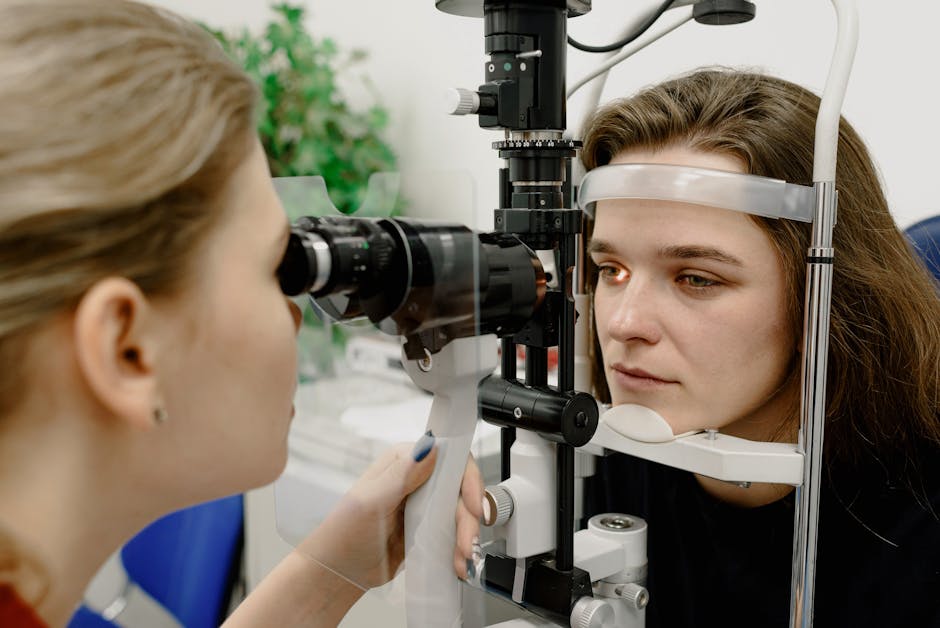
Optometrists are primary eye care professionals who have completed a four-year Doctor of Optometry degree. They can perform comprehensive eye exams, diagnose and treat many eye conditions, prescribe corrective lenses, and provide pre- and post-operative care. In most provinces, optometrists can also prescribe certain medications for eye conditions and perform minor surgical procedures.
Ophthalmologists are medical doctors who specialize in comprehensive eye and vision care. After completing medical school, they undergo additional specialized training in eye surgery and can treat complex eye diseases, perform major eye surgeries, and handle serious eye emergencies. They're essential for conditions requiring surgical intervention or advanced medical treatment.
Opticians are trained professionals who dispense and fit eyeglasses and contact lenses based on prescriptions from optometrists or ophthalmologists. While they cannot diagnose eye conditions or write prescriptions, they play a crucial role in ensuring your corrective eyewear fits properly and meets your visual needs.
Key Factors to Consider When Choosing an Eye Doctor
Selecting the right eye care professional requires careful consideration of several important factors that will impact your long-term eye health and satisfaction with care.
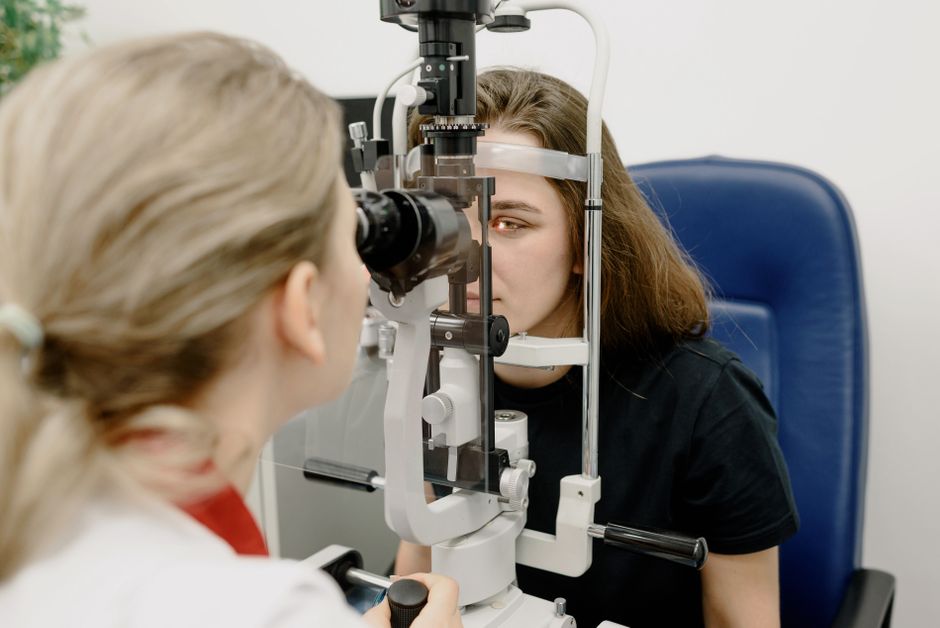
Credentials and Licensing should be your first consideration. Ensure your chosen eye doctor is licensed to practice in your province and maintains good standing with their regulatory body. In Canada, optometrists are regulated by provincial colleges, while ophthalmologists are licensed through provincial medical colleges. You can verify credentials through these official channels.
Experience and Specialization matter significantly, especially if you have specific eye conditions. Some eye doctors specialize in areas like pediatric eye care, glaucoma treatment, retinal diseases, or contact lens fitting. If you have diabetes, glaucoma, or other chronic conditions affecting your eyes, seek a practitioner with relevant expertise.
Technology and Equipment used by the practice can greatly impact the quality of your care. Modern eye care relies heavily on advanced diagnostic equipment for early detection of eye diseases. Look for practices that invest in current technology, including digital retinal imaging, optical coherence tomography (OCT), and computerized visual field testing.
Location and Accessibility are practical considerations that shouldn't be overlooked. Regular eye exams are essential for maintaining good eye health, so choose a practice that's conveniently located and accessible by your preferred mode of transportation. Consider factors like parking availability, public transit access, and office hours that fit your schedule.
Insurance Coverage and Costs
Understanding your insurance coverage is crucial when selecting an eye doctor. In Canada, basic eye exams for children and seniors are typically covered under provincial health plans, but coverage varies by province. Adults between certain ages may need to pay out-of-pocket or rely on private insurance for routine eye exams.
Many employers offer extended health benefits that include eye care coverage. Check your benefits package to understand what's covered, including exam fees, prescription eyewear allowances, and specialized treatments. Some practices offer payment plans or accept insurance assignment, which can help manage costs.
Questions to Ask When Evaluating Potential Eye Doctors
Before committing to an eye care provider, prepare a list of important questions that will help you assess whether they're the right fit for your needs.

About Their Practice:
- What are your areas of specialization or particular expertise?
- How long have you been practicing in this location?
- What diagnostic equipment do you use for comprehensive eye exams?
- How do you stay current with advances in eye care technology and treatments?
- Do you participate with my insurance plan?
About Patient Care:
- How far in advance do I need to book routine appointments?
- What is your policy for urgent eye care needs or emergencies?
- How do you handle follow-up care and treatment monitoring?
- Do you provide referrals to specialists when needed?
- What is your approach to patient education and preventive care?
According to the Health Canada guidelines, regular eye exams are essential for early detection of serious eye conditions, making these questions particularly important for establishing a long-term relationship with your eye care provider.
Red Flags to Watch Out For
While most eye care professionals in Canada maintain high standards, being aware of potential warning signs can help you avoid suboptimal care.

Outdated Equipment or Techniques can compromise the quality of your eye exam and potentially miss important health indicators. If a practice seems to rely heavily on outdated equipment or doesn't offer modern diagnostic services, consider looking elsewhere.
Pressure to Purchase Products immediately during your visit, especially expensive eyewear or treatments, should raise concerns. Reputable eye care professionals will give you time to consider your options and may provide prescriptions that allow you to shop around for eyewear if desired.
Rushed Appointments that don't allow adequate time for thorough examination and discussion of your eye health concerns are another red flag. Comprehensive eye exams typically require sufficient time to assess all aspects of your vision and eye health properly.
Poor Communication or unwillingness to explain procedures, findings, or treatment options clearly indicates a practice that may not prioritize patient care and education.
Making the Most of Your Eye Care Relationship
Once you've selected an eye doctor, building a strong, collaborative relationship will optimize your eye health outcomes over time.
Prepare for Appointments by bringing a complete list of current medications, including over-the-counter supplements and eye drops. Document any changes in your vision, eye discomfort, or family history of eye diseases. This information helps your eye doctor provide the most accurate assessment and appropriate care recommendations.
Follow Treatment Recommendations consistently, whether they involve wearing prescribed eyewear, using medicated eye drops, or implementing lifestyle changes. If you're using specialized eye care products like those recommended by EYECART for dry eyes or general eye health maintenance, inform your eye doctor about these products during your visits. You can also explore online eye care products Canada for convenience.
Maintain Regular Check-ups according to your eye doctor's recommendations. The Canadian National Institute for the Blind emphasizes that regular eye exams can detect problems before they cause noticeable symptoms, potentially saving your vision. Consider supplementing your eye health with specific nutrients; for example, understanding the Lutein and Zeaxanthin Benefits for Eyes can be beneficial.
Ask Questions whenever you don't understand something about your eye health, prescribed treatments, or recommended lifestyle changes. A good eye care professional will welcome your questions and provide clear, understandable explanations.
Special Considerations for Different Age Groups
Eye care needs vary significantly across different life stages, and selecting an eye doctor should reflect these changing requirements.
Children and Teens benefit from eye care professionals experienced in pediatric optometry. Early detection of vision problems can significantly impact academic performance and overall development. Look for practitioners who create comfortable, child-friendly environments and have experience managing common childhood vision issues.
Adults should prioritize comprehensive care that includes screening for age-related conditions like glaucoma, diabetic retinopathy, and macular degeneration. If you work extensively with computers or digital devices, consider practitioners who specialize in digital eye strain and occupational vision needs. Maintaining good eye hygiene, such as outlined in Eyelid Hygiene for Blepharitis, becomes increasingly important with age.
Seniors require eye care professionals experienced in age-related eye conditions and comfortable coordinating care with other healthcare providers. The HealthLink BC recommends annual eye exams for adults over 65, making accessibility and comprehensive geriatric eye care particularly important considerations.
Conclusion
Selecting the right eye doctor in Canada is a crucial decision that impacts your long-term vision health and quality of life. By understanding the different types of eye care professionals, evaluating key factors like credentials and specialization, asking the right questions, and avoiding potential red flags, you can make an informed choice that serves your needs for years to come.
Remember that the best eye doctor for you is one who combines professional expertise with excellent communication, uses modern diagnostic technology, and demonstrates genuine commitment to your eye health. Whether you need routine eye care, management of chronic eye conditions, or specialized treatments, taking time to research and select the right professional will pay dividends in preserving and protecting your precious gift of sight.
Investing in quality eye care, combined with appropriate eye health products and consistent follow-up care, creates the foundation for maintaining excellent vision throughout your lifetime. Your eyes deserve nothing less than the best care available in Canada's comprehensive eye care system.