
The critical importance of regular eye exams in canada

Your vision is one of your most precious senses, yet many Canadians take their eye health for granted until problems arise. Regular comprehensive eye exams are essential not only for maintaining clear vision but also for detecting serious health conditions that could otherwise go unnoticed. With Canada's aging population and increasing screen time across all age groups, the importance of routine eye care has never been more significant.
Eye exams go far beyond simply updating your prescription for glasses or contact lenses. These comprehensive evaluations can reveal early signs of eye diseases, systemic health conditions, and vision problems that may not present obvious symptoms in their initial stages. Understanding why regular eye exams matter and how often you should schedule them can make the difference between preserving your vision and facing preventable vision loss.
Early Detection of Eye Diseases
Many serious eye conditions develop silently, without noticeable symptoms until significant damage has occurred. Glaucoma, often called the "silent thief of sight," affects over 400,000 Canadians and is the second leading cause of blindness worldwide. This condition gradually damages the optic nerve, typically without pain or obvious vision changes until peripheral vision is already compromised.

During a comprehensive eye exam, your optometrist measures intraocular pressure and examines the optic nerve head, enabling early detection when treatment is most effective. Similarly, diabetic retinopathy can cause irreversible vision loss if not caught early. Regular eye exams can detect changes in the blood vessels of the retina before patients notice any vision problems.
Age-related macular degeneration (AMD) is another condition that benefits from early intervention. As Canada's population ages, AMD has become increasingly common, affecting central vision and making activities like reading and driving difficult. Eye exams can identify early signs of AMD, allowing for lifestyle modifications and treatments that can slow progression.
Cataracts, while treatable through surgery, can significantly impact quality of life if left unaddressed. Regular eye exams help monitor cataract development and determine the optimal timing for surgical intervention when vision begins to interfere with daily activities.
Detection of Systemic Health Conditions
The eyes serve as windows to overall health, and eye exams can reveal signs of systemic conditions that may not yet be diagnosed. Diabetes is one of the most commonly detected conditions during routine eye examinations. Diabetic changes in the retinal blood vessels can appear before patients experience other symptoms of diabetes, making eye exams an important screening tool.

High blood pressure, or hypertension, can cause changes in the retinal blood vessels that are visible during an eye exam. These changes, known as hypertensive retinopathy, can indicate uncontrolled blood pressure that may be increasing the risk of heart attack, stroke, and other cardiovascular complications.
Eye exams can also detect signs of autoimmune conditions, thyroid disorders, and even certain types of cancer. Brain tumors may cause changes in the optic nerve or visual field defects that become apparent during comprehensive testing. Additionally, high cholesterol can manifest as yellowish deposits around the eyes or changes in retinal blood vessels.
The Government of Canada emphasizes the importance of preventive health care, including regular eye exams, as part of maintaining overall health and wellbeing throughout life.
Canadian Guidelines for Eye Exam Frequency
The frequency of eye exams depends on several factors, including age, overall health, family history, and existing eye conditions. Children should have their first comprehensive eye exam between 6 and 9 months of age, followed by another exam between ages 2 and 5, and then annually once they start school.
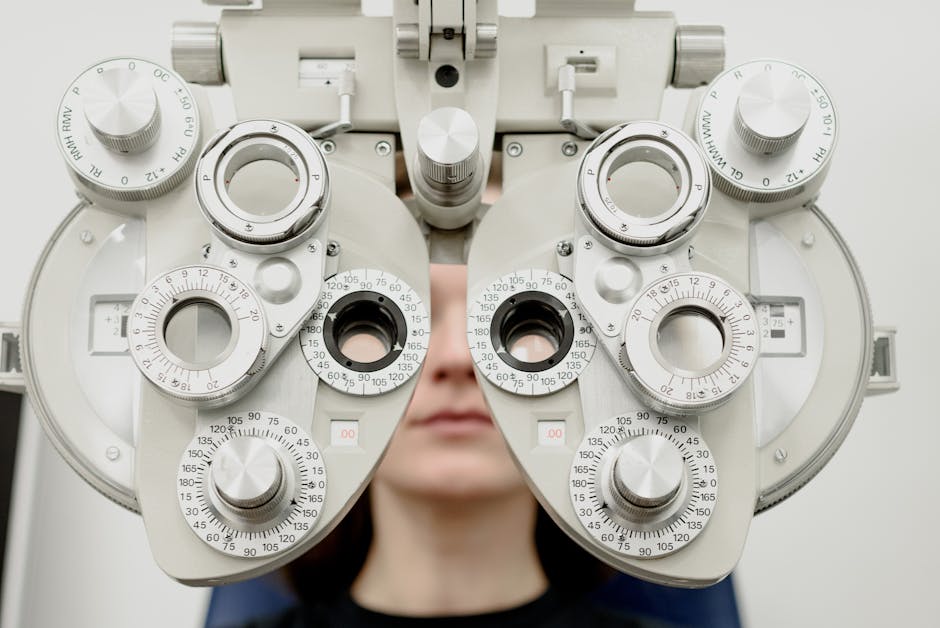
For healthy adults aged 18-39, eye exams are recommended every two years unless there are specific risk factors or vision concerns. Adults between 40 and 64 should have eye exams every one to two years, as this is when age-related eye conditions typically begin to develop.
Canadians over 65 should have annual eye exams, as the risk of developing serious eye conditions increases significantly with age. However, individuals with diabetes, family history of eye disease, high blood pressure, or other risk factors may need more frequent examinations regardless of age.
The Canadian Association of Optometrists provides detailed guidelines for eye exam frequency and emphasizes that these recommendations may vary based on individual circumstances and provincial regulations.
Provincial Coverage and Accessibility
Eye exam coverage varies across Canadian provinces and territories. Some provinces provide full or partial coverage for comprehensive eye exams for certain age groups, while others may require patients to pay out of pocket. Children and seniors often receive coverage, while working-age adults may need private insurance or must pay directly.
Despite potential costs, the investment in regular eye exams far outweighs the expense of treating advanced eye diseases or managing preventable vision loss. Many optometry practices offer payment plans or packages to make regular eye care more accessible to all Canadians.
Addressing Digital Eye Strain and Modern Lifestyle Challenges
The digital age has brought new challenges to eye health that make regular exams even more crucial. Digital eye strain, also known as computer vision syndrome, affects millions of Canadians who spend significant time using computers, tablets, and smartphones. Symptoms include dry eyes, blurred vision, headaches, and neck strain.

During eye exams, optometrists can assess the impact of digital device use on your eyes and recommend strategies to reduce strain. This might include specialized computer glasses, proper lighting adjustments, or the 20-20-20 rule (looking at something 20 feet away for 20 seconds every 20 minutes).
Dry eye syndrome has become increasingly common, particularly in Canada's dry winter climate and with increased screen time. Regular eye exams can diagnose dry eye condition and recommend appropriate treatments, from artificial tears to advanced therapies. EYECART offers a comprehensive range of optometrist-approved dry eye treatment products, making it convenient for Canadians to access professional-grade online eye care products Canada with fast delivery across the country.
Blue light exposure from digital devices is another concern that eye care professionals monitor. While research is ongoing, some studies suggest that prolonged blue light exposure may contribute to digital eye strain and potentially affect sleep patterns.
Pediatric Eye Care and School Performance
Children's eye health is particularly important as vision problems can significantly impact learning and development. Undiagnosed vision problems affect an estimated 25% of school-age children in Canada and can lead to difficulties with reading, writing, and classroom participation.
Many vision problems in children are not obvious to parents or teachers. A child may not realize they cannot see clearly if they have never experienced normal vision. Regular eye exams can detect conditions like nearsightedness, farsightedness, astigmatism, lazy eye (amblyopia), and crossed eyes (strabismus).
Early intervention is crucial for many childhood eye conditions. For example, amblyopia must be treated before age 8-9 to be effective, making regular eye exams during early childhood essential for preventing permanent vision loss.
The Canadian National Institute for the Blind advocates for comprehensive vision screening programs and emphasizes the importance of early detection and treatment of childhood vision problems.
Maintaining Eye Health Between Exams
While regular eye exams are essential, maintaining good eye health requires daily attention to proper eye care practices. Protecting your eyes from UV radiation by wearing sunglasses with 100% UV protection is crucial year-round, as snow and water can reflect harmful rays even in winter.
A diet rich in leafy green vegetables, fish high in omega-3 fatty acids, and colorful fruits and vegetables provides essential nutrients for eye health. Supplements like Lutein and Zeaxanthin Benefits for Eyes, and omega-3s may benefit those at risk for macular degeneration, though consultation with an eye care professional is recommended before starting any supplement regimen.
Proper hygiene, especially when using contact lenses or eye makeup, helps prevent infections. For instance, maintaining good Eyelid Hygiene for Blepharitis can significantly reduce the risk of common eye conditions. Regular cleaning of digital devices and maintaining proper distance and lighting when using screens can reduce digital eye strain.
Staying hydrated and using preservative-free artificial tears can help manage dry eyes, particularly important in Canada's climate extremes. High-quality best eye drops for dry eyes Canada, including those available through EYECART's curated selection of optometrist-approved solutions, can support ongoing eye health maintenance between professional exams.
Conclusion
Regular eye exams represent one of the most important investments Canadians can make in their long-term health and quality of life. These comprehensive evaluations detect eye diseases in their earliest, most treatable stages while also revealing signs of systemic health conditions that might otherwise go unnoticed. With the increasing prevalence of digital eye strain, dry eyes, and age-related eye conditions, routine professional eye care has become more critical than ever.
The convenience of accessing optometrist-recommended eye care products through services like EYECART makes it easier for Canadians to maintain optimal eye health between professional examinations. However, no over-the-counter product can replace the comprehensive evaluation and early disease detection that only regular eye exams provide.
By prioritizing regular eye exams and following professional recommendations for eye care, Canadians can preserve their vision, detect health problems early, and maintain the clear sight necessary for full participation in all aspects of life. The small time investment in routine eye care pays dividends in preventing vision loss and supporting overall health throughout your lifetime.