
The link between hydration and eye health

The link between hydration and eye health
Your eyes depend on proper hydration more than you might realize. While most Canadians understand the importance of drinking water for overall health, fewer recognize how closely connected hydration is to maintaining healthy vision and comfortable eyes. From tear production to preventing dry eye syndrome, adequate water intake plays a crucial role in keeping your eyes functioning optimally throughout the day.
The relationship between hydration and eye health extends far beyond simply avoiding dry eyes. Proper hydration affects everything from your tear film quality to your risk of developing certain eye conditions. Understanding this connection can help you make informed decisions about your daily water intake and recognize when dehydration might be contributing to eye discomfort.
How Dehydration Directly Affects Your Eyes
When your body becomes dehydrated, your eyes are among the first organs to show signs of distress. The human eye requires constant moisture to function properly, and dehydration disrupts this delicate balance in several ways.

Your tear glands rely on adequate hydration to produce the watery layer of your tear film. When you're dehydrated, tear production decreases, leading to insufficient lubrication of the eye surface. This reduction in tear volume can cause immediate discomfort, including burning sensations, grittiness, and blurred vision.
Dehydration also affects the quality of your tears, not just the quantity. According to the American Academy of Ophthalmology, the tear film consists of three layers: oil, water, and mucus. When you're dehydrated, the water component becomes compromised, leading to an unstable tear film that evaporates too quickly.
The conjunctiva, the thin membrane covering the white part of your eye, becomes particularly vulnerable when dehydrated. This tissue can appear red and irritated, and you may experience increased sensitivity to light and wind. In severe cases, chronic dehydration can contribute to more serious conditions like conjunctivitis or corneal damage.
The Science Behind Tear Production and Hydration
Understanding how your body produces tears reveals why hydration is so critical for eye health. The lacrimal glands, located above each eye, continuously produce tears that spread across the eye surface with each blink. This process requires a steady supply of water from your bloodstream.
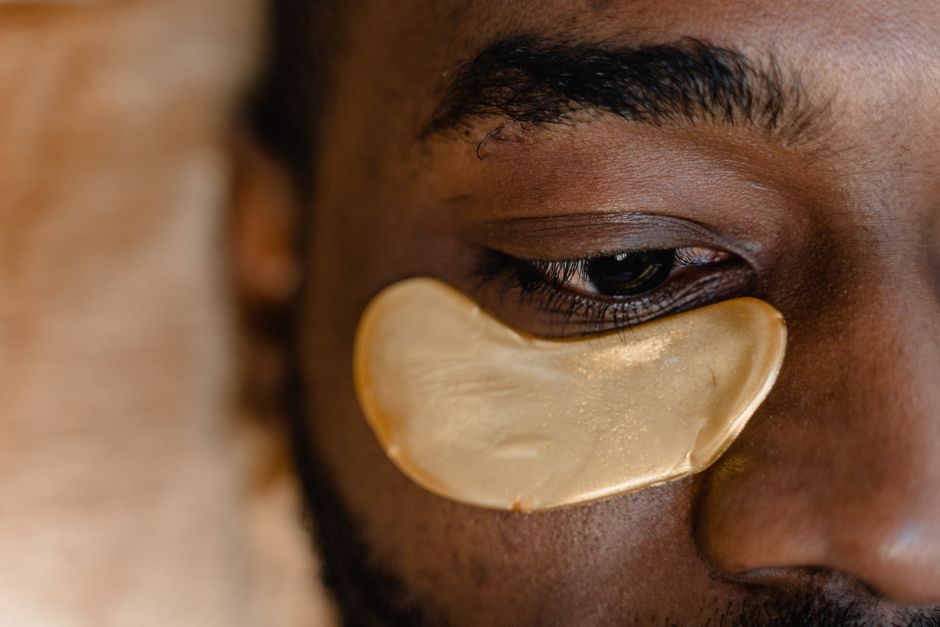
Your tear film serves multiple essential functions beyond simple lubrication. It provides nutrients to the cornea, removes debris and bacteria, and creates a smooth optical surface for clear vision. The aqueous layer, which makes up the majority of your tears, is approximately 98% water. When your body's water levels drop, your lacrimal glands cannot maintain optimal tear production.
Research indicates that even mild dehydration can reduce tear production by up to 30%. This reduction becomes particularly noticeable during activities that naturally decrease blink rates, such as computer work or reading. The combination of reduced tear production and decreased blinking creates a perfect storm for eye discomfort and potential damage.
The osmolarity, or salt concentration, of your tears also changes with hydration levels. Studies published in the National Center for Biotechnology Information show that dehydration increases tear osmolarity, making tears more concentrated and potentially irritating to the eye surface. This change in tear composition can trigger inflammatory responses that worsen dry eye symptoms.
Recognizing Dehydration-Related Eye Symptoms
Identifying when your eye problems stem from dehydration can help you address the root cause rather than just treating symptoms. Several distinct signs indicate that your eyes are suffering from inadequate hydration.

Dry, scratchy sensations are often the first indicators of dehydration-related eye problems. You might feel like there's sand or grit in your eyes, especially upon waking or after prolonged screen time. This feeling typically worsens throughout the day as tear production continues to lag behind demand.
Excessive tearing might seem counterintuitive, but it's actually a common response to dehydration. When your baseline tear production is insufficient, your eyes may trigger reflex tearing to compensate. However, these reflex tears lack the proper composition to adequately lubricate your eyes, leading to continued discomfort despite the increased tear volume.
Visual disturbances can also signal dehydration affecting your eyes. Blurred vision that comes and goes, difficulty focusing, and increased sensitivity to bright lights often accompany inadequate hydration. These symptoms occur because an unstable tear film cannot maintain the smooth optical surface necessary for clear vision.
Physical signs around your eyes provide additional clues. Sunken-appearing eyes, dark circles, and increased prominence of fine lines around the eye area can all indicate systemic dehydration affecting the delicate eye tissues.
Optimal Hydration Strategies for Eye Health
Maintaining proper hydration for optimal eye health requires more than simply drinking water when you feel thirsty. Developing consistent hydration habits ensures your eyes receive the moisture they need throughout the day.
The general recommendation of eight glasses of water daily provides a starting point, but individual needs vary based on activity level, climate, and overall health. Canadians living in dry winter climates or spending significant time in heated indoor environments may require additional hydration to maintain comfortable eyes.
Morning hydration sets the foundation for healthy eyes throughout the day. Starting each day with a large glass of water helps replenish fluids lost during sleep and kickstarts tear production. Keep water beside your bed to make morning hydration an automatic habit.
Consistent intake throughout the day proves more effective than consuming large quantities sporadically. Sipping water regularly maintains steady hydration levels and supports continuous tear production. Consider setting hourly reminders or using a marked water bottle to track your progress.
The quality of your hydration matters as much as quantity. While water remains the optimal choice, herbal teas and water-rich foods like cucumber, watermelon, and leafy greens contribute to overall hydration. Avoid excessive caffeine and alcohol, which can have dehydrating effects that counteract your hydration efforts.
Environmental considerations play a crucial role in hydration needs. Air conditioning, heating systems, and low humidity environments increase tear evaporation, requiring additional water intake to compensate. Using a humidifier in your home or office can reduce the additional hydration burden on your system.
Beyond Water: Supporting Eye Health Through Comprehensive Care
While proper hydration forms the foundation of good eye health, combining adequate water intake with other eye care practices maximizes the benefits for your vision and comfort.
Nutrient intake significantly impacts your body's ability to maintain eye health even when properly hydrated. Omega-3 fatty acids, found in fish oil supplements and fatty fish, support the oil layer of your tear film, reducing evaporation and improving tear stability. Vitamin A plays a crucial role in tear production and overall eye function. For a comprehensive overview of how nutrition contributes, explore our guide to best eye vitamins formulation: a complete guide to optimal eye health.
Environmental modifications can reduce the hydration demands on your eyes. Using best eye drops for dry eyes Canada approved by optometrists can supplement natural tear production during particularly dry periods. Regular blinking exercises, especially during screen time, help distribute tears evenly across the eye surface.
Sleep quality affects both hydration status and eye health. During sleep, your eyes rest and recover while your body rebalances fluid levels. Poor sleep can disrupt this process, leading to morning eye dryness that proper nighttime hydration helps prevent.
Professional eye care becomes essential when hydration alone doesn't resolve eye comfort issues. According to Healthline's medical experts, persistent dry eye symptoms may indicate underlying conditions requiring specialized treatment beyond improved hydration.
Regular eye examinations help identify whether your symptoms stem from dehydration or more complex issues like meibomian gland dysfunction, autoimmune conditions, or medication side effects. For specialized solutions, you might consider where to buy optometrist eye drops online Canada. An optometrist can recommend appropriate treatments that work alongside proper hydration to optimize your eye health, potentially including advanced online eye care products Canada has to offer.
Conclusion
The connection between hydration and eye health represents a fundamental aspect of maintaining comfortable, healthy vision that many people overlook. Proper hydration supports optimal tear production, maintains tear film stability, and prevents the cascade of symptoms associated with dry eyes. By understanding how dehydration affects your eyes and implementing consistent hydration strategies, you can significantly improve your eye comfort and potentially prevent more serious eye health issues.
Remember that while adequate hydration provides an excellent foundation for eye health, it works best as part of a comprehensive approach that includes proper nutrition, environmental awareness, and regular professional eye care. For persistent eye discomfort or vision concerns, consulting with an optometrist ensures you receive appropriate treatment tailored to your specific needs, complementing the benefits of proper hydration for optimal eye health throughout your life.